Why Some New Zealand Immigration Applications Succeed While Others Fail
Every year, thousands of people dream of building a better future in New Zealand. The country's high quality of life, excellent healthcare system, world-class education, strong economy, and welcoming multicultural environment make it a preferred destination for skilled workers, students, entrepreneurs, and families. However, while many applicants achieve their migration goals, others face delays, requests for additional information, or even outright refusals. Understanding the reasons behind these different outcomes is essential for anyone considering New Zealand Immigration.
The truth is that visa approvals are rarely based on luck. Immigration authorities carefully assess every application to ensure it meets legal requirements and accurately reflects the applicant's intentions, qualifications, and circumstances. A successful application is usually the result of thorough preparation, complete documentation, and strict compliance with immigration guidelines.
The Importance of Accurate Documentation
One of the most critical factors influencing visa outcomes is the quality and accuracy of the documents submitted. Immigration officers rely heavily on the information provided in an application to make their decisions.
Successful applicants typically ensure that every document is complete, properly translated where required, and aligned with the visa category they are applying for. Educational certificates, employment records, financial statements, identity documents, and police clearances must all support the claims made in the application.
Even minor inconsistencies can create concerns. For example, mismatched dates of employment, discrepancies in passport details, or missing educational records may lead officers to question the credibility of the entire application. In many cases, applications are delayed or refused simply because essential documents were omitted or incorrectly submitted.
Demonstrating Genuine Intentions
Immigration authorities place significant importance on determining whether an applicant is genuine. This means proving that the purpose of travel aligns with the selected visa category.
For instance, a student should be able to demonstrate how a chosen course fits their educational background and future career goals. Similarly, a skilled worker should show how their employment opportunity matches their qualifications and experience.
A strong application tells a clear and logical story. When an applicant's educational history, professional experience, and future plans align naturally, immigration officers are more likely to view the application favorably. This aspect plays a major role in the success of many New Zealand Immigration applications.
Financial Stability Matters
Financial evidence is another area where applications often succeed or fail. Immigration authorities need assurance that applicants can support themselves during their stay without becoming financially dependent on public resources.
Successful applicants usually provide clear and verifiable financial records that demonstrate long-term stability. These may include salary statements, tax records, savings accounts, investment documents, or sponsorship evidence where applicable.
Problems arise when bank statements show sudden large deposits without proper explanations. Such transactions can raise concerns about the authenticity of the financial evidence. Similarly, incomplete financial records or unclear funding sources may result in requests for additional information or refusal.
Applicants should ensure that every financial document presents a transparent and consistent picture of their economic situation.
The Role of Character and Transparency
Honesty is one of the most important principles in any immigration process. Immigration authorities conduct thorough assessments of an applicant's character and background.
One common mistake involves failing to disclose previous visa refusals, cancellations, or withdrawals from other countries. Some applicants mistakenly believe that information about past applications in other nations is irrelevant. In reality, withholding such information can seriously damage credibility.
Providing false or misleading information is often treated as a significant character concern. Even if the omission appears minor, it can affect the outcome of the application.
Transparency helps establish trust. Applicants who fully disclose their immigration history and provide explanations when necessary are generally viewed more positively than those who attempt to hide information.
Choosing the Correct Visa Category
Many applicants underestimate the importance of selecting the right visa pathway. Every visa category has specific requirements designed for particular circumstances.
Applying under an inappropriate category can result in rejection even if the applicant may have qualified under a different pathway. For example, some individuals may apply under a general visa stream when a family-based immigration route would be more suitable. Applicants considering migration through their partner should review the requirements for a New Zealand PR Visa through spouse sponsorship to determine whether it aligns better with their personal circumstances and long-term settlement goals.
Before submitting an application, individuals should carefully review the eligibility criteria associated with their chosen category. Understanding the purpose and requirements of each pathway can significantly improve the chances of approval during the New Zealand immigration process.
Strong Home-Country Connections Can Help
For temporary visa categories, immigration officers often evaluate whether an applicant has compelling reasons to return to their home country after their authorized stay.
Evidence of stable employment, business ownership, property holdings, financial commitments, or close family responsibilities can strengthen an application. These factors demonstrate that the applicant maintains meaningful ties outside New Zealand.
When such connections are absent or poorly documented, immigration authorities may have concerns about the applicant's intentions. Therefore, presenting evidence of ongoing commitments can be a valuable component of a well-prepared application.
The Value of Professional Guidance
Immigration policies and procedures can be complex, especially for first-time applicants. Regulations may change, documentation requirements can vary, and different visa categories often involve unique eligibility criteria.
This is why many applicants choose to seek guidance from experienced New Zealand Immigration Consultants. Professional consultants can help identify the most suitable visa pathway, review documentation, highlight potential weaknesses, and ensure applications are prepared according to current requirements.
While professional assistance does not guarantee approval, it can reduce the likelihood of common mistakes that lead to delays or refusals. Expert guidance is particularly valuable for applicants with complex circumstances, previous visa refusals, or unusual documentation requirements.
Common Mistakes That Lead to Refusals
Several recurring mistakes appear in unsuccessful applications:
- Submitting incomplete application forms.
- Providing inconsistent personal information.
- Failing to include mandatory supporting documents.
- Presenting weak or unverifiable financial evidence.
- Not disclosing previous visa refusals or immigration history.
- Applying under the wrong visa category.
- Failing to adequately explain educational or employment gaps.
- Missing required health or character assessments.
Most of these issues are preventable through careful preparation and thorough review before submission.
How to Improve Your Chances of Approval
Applicants can significantly strengthen their applications by following a few practical steps:
- Carefully review eligibility requirements before applying.
- Prepare complete and accurate documentation.
- Ensure all financial records are transparent and verifiable.
- Disclose all previous immigration history honestly.
- Maintain consistency across all forms and supporting documents.
- Provide clear explanations for any unusual circumstances.
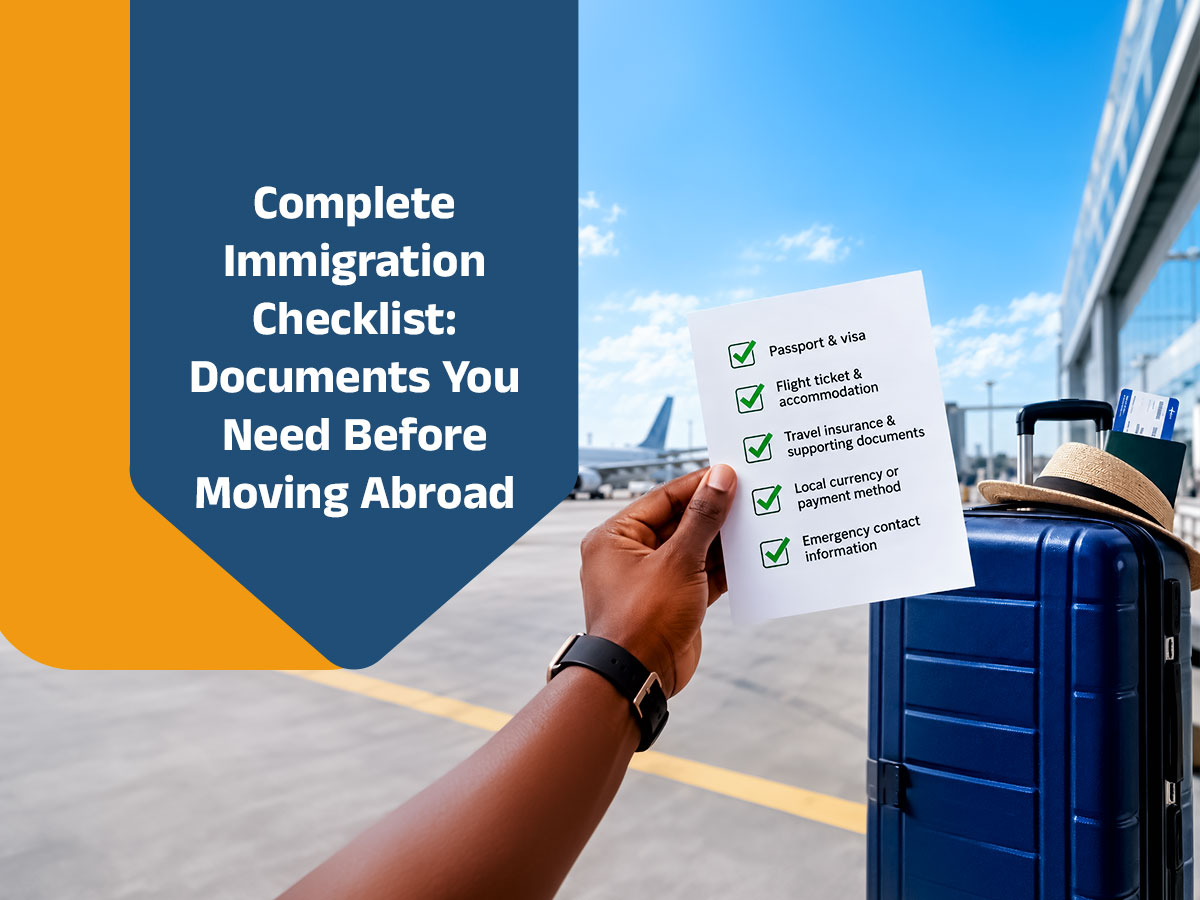
- Use official checklists to confirm that no documents are missing.
- Seek professional advice when dealing with complex situations.
Taking these measures helps create a stronger, more credible application that aligns with immigration expectations.
Get A Smooth And Successful Immigration Journey with Pelican Migration Consultants
Planning your move abroad can be complex, but the right guidance can make all the difference. Pelican Migration Consultants supports applicants throughout their immigration journey, from initial profile assessment and documentation preparation to application submission and ongoing updates. With a focus on accuracy, transparency, and personalized assistance, the team helps individuals and families navigate immigration processes with greater confidence. Astrusted Immigration Consultants in Dubai, Pelican Migration Consultants is committed to helping aspiring migrants understand requirements, avoid common application mistakes, and take informed steps toward achieving their international goals.
Conclusion
The difference between a successful and unsuccessful visa application often comes down to preparation, accuracy, honesty, and compliance with immigration requirements. Applicants who provide complete documentation, demonstrate genuine intentions, maintain financial transparency, and carefully follow official guidelines are generally in a much stronger position. While every case is unique, understanding these key factors can greatly improve the likelihood of success. For anyone planning a future abroad, approaching New Zealand Immigration with thorough preparation and informed decision-making is one of the most effective ways to achieve a positive outcome.
Frequently Asked Questions
- What is the most common reason for New Zealand visa refusals?
Incomplete applications, missing documents, inconsistent information, and insufficient financial evidence are among the most common reasons for visa refusals. - Does a previous visa refusal affect my New Zealand immigration application?
A previous refusal does not automatically lead to rejection, but it must be disclosed honestly and explained appropriately in your application. - How important is financial proof for a New Zealand visa?
Financial proof is crucial, as applicants must demonstrate they can support themselves during their stay through legitimate and verifiable funds. - Can I apply for a different visa category if I am not eligible for one?
Yes, provided you meet the eligibility requirements of the alternative visa category and submit the appropriate supporting documents. - Should I seek professional assistance for my immigration application?
Professional guidance can help you understand requirements, prepare accurate documentation, and reduce the risk of avoidable mistakes. - How can I improve my chances of visa approval?
Ensure all information is accurate, submit complete documentation, disclose your immigration history honestly, and follow all applicable visa requirements carefully.